
Exterior Restoration & Protection
Looking after the outside of a property is not just about making things look cleaner for a short period of time. It’s about keeping the building in good condition and preventing problems from building up over the years.
Roofs, walls, paving and exterior surfaces are constantly exposed to weather, moss, algae and general contamination. If these things are left untreated they slowly begin to break down materials and allow moisture to sit where it should not.
At Exterior360° Ltd, we take a straightforward approach. We assess the property, understand the materials involved and use the right cleaning or restoration method for the surface in front of us.
In many cases surfaces people assume need replacing can actually be cleaned, restored and protected instead, improving the appearance of the property while avoiding unnecessary replacement costs…
The Exterior 360° Method
Our approach follows four simple stages:
Clean the surface
Remove moss, algae, dirt and contamination from the surface.
Repair what needs attention
Deal with minor repairs or defects identified during the survey.
Protect the material
Apply treatments or coatings where suitable to help preserve the surface.
Help prevent the problem returning
Use systems, treatments or sealers that reduce the chance of future build-up.
That is the thinking behind Exterior 360°.
Rather than carrying out one isolated task and leaving other areas to deteriorate, the aim is to restore and protect the parts of the property that actually need attention.
Flexible Exterior 360° Services
The Exterior 360° approach looks at the whole property, from the roof down to the ground.
That does not mean everything has to be completed at the same time.
Some homeowners choose to restore the entire exterior in one project, while others prefer to begin with one key area and then add further work later.
For example, you might want:
- the roof and upper areas cleaned and protected
- the main building facades restored
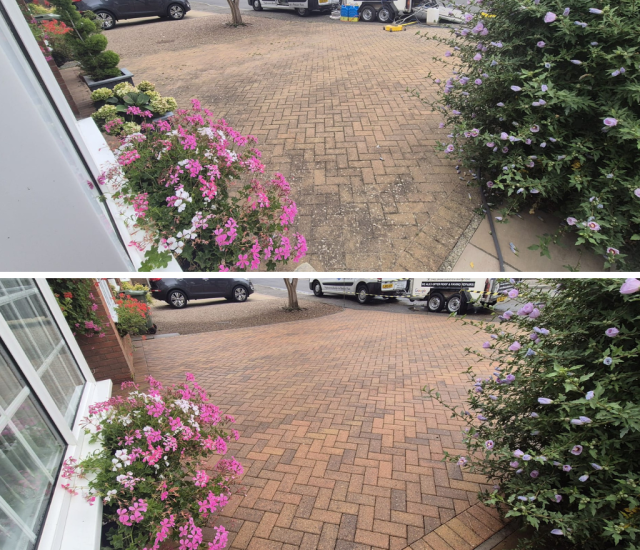
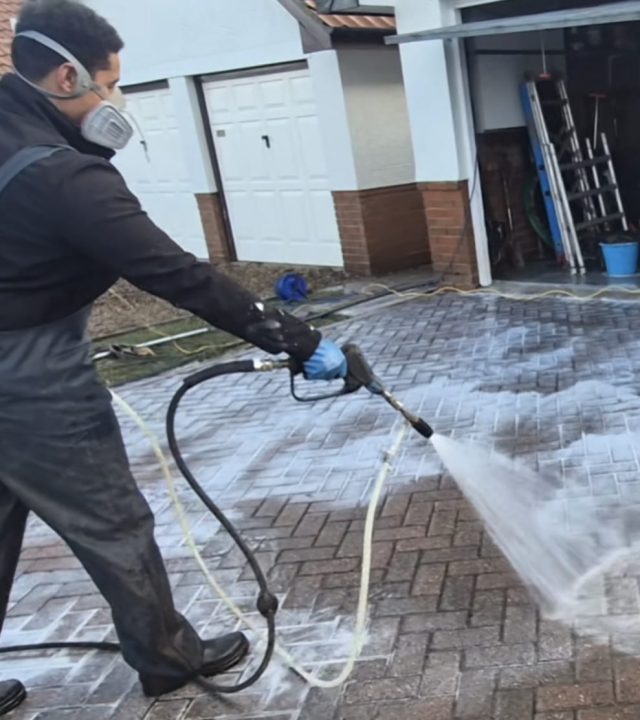
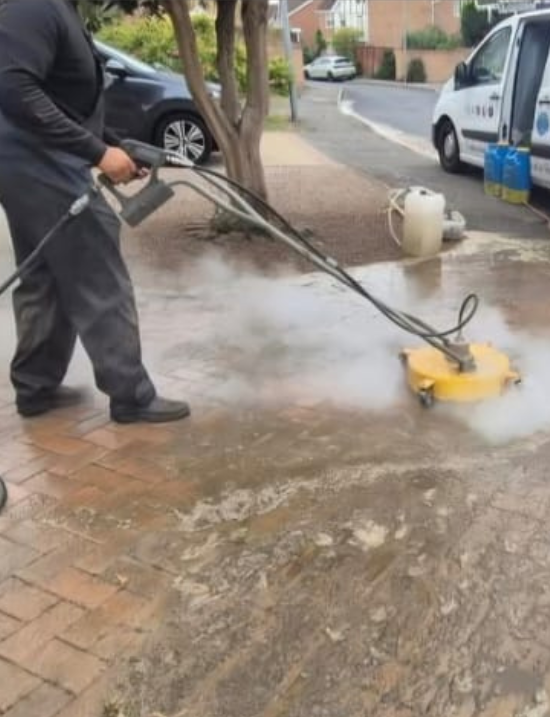
- the driveways, paving and other external surfaces cleaned and sealed
Or you may only want one part of the property dealt with first.
Every property is different, so the work can be completed in stages or combined into one larger project.
A Restoration Service – Not Small One-Off Jobs
Exterior 360° is designed as a full exterior restoration service.
Because the work involves specialist equipment, preparation and access systems, we do not normally attend for very small isolated tasks on their own.
Instead, the work usually focuses on one main part of the property, such as:
- the roof and upper areas
- the main building and facades
- the driveways, paving and surrounding exterior surfaces
These can be completed separately or combined depending on what the property needs.
Why Services Are Often Carried Out Together
Many areas of a property can be restored while we are already working on the building.
For example, when roof cleaning is being carried out it often makes sense to restore the fascias, soffits and guttering at the same time, as we are already safely working at roof level using the correct access equipment.
Because the preparation and equipment are already in place, combining services often means the work can be carried out more efficiently.
Better Value When Areas Are Completed Together
When more than one area is completed during the same project, the work becomes more efficient.
This can reduce the overall time on site and help keep the project more cost effective than completing each section separately.
Some customers start with just the roof. Others include the building facades as well. Some choose to restore the roof, the building and the external surfaces together.
Every property is assessed individually during the survey.
Although we specialise in restoration and protection work, we still aim to keep our services competitive with standard exterior cleaning companies.
The difference is that our work is carried out using professional access equipment, trained operators and carefully controlled methods, with safety and long-term results in mind.
Roof Prevention Systems
Copper Ridge System
For homeowners looking for longer-term moss prevention, we offer installation of copper ridge systems.
These are fitted along the ridge line of the roof and gradually release copper particles when rainwater flows across them. This naturally helps discourage moss from returning.
Where lower roofs or extensions are present, copper strips can also be installed beneath tile lines or under leadwork.
This provides long-term prevention rather than repeatedly removing moss build-up.
Dry Ridge Systems
Many roofs still rely on mortar bedding along ridge tiles. Over time this mortar can crack and deteriorate, allowing ridge tiles to loosen.
Dry ridge systems provide a mechanically fixed alternative, securing ridge tiles without relying on mortar alone.
This allows the roof to move naturally while keeping the ridge line secure.
Solar panel Bird Proofing
Bird activity around roofs and solar panels can cause several problems.
These include nesting under solar panels, blocked gutters, noise from pigeons and general mess around the property.
We install solar panel bird proofing systems including mesh protection and spike systems to prevent birds accessing these areas.
Wall Cleaning & Surface Restoration
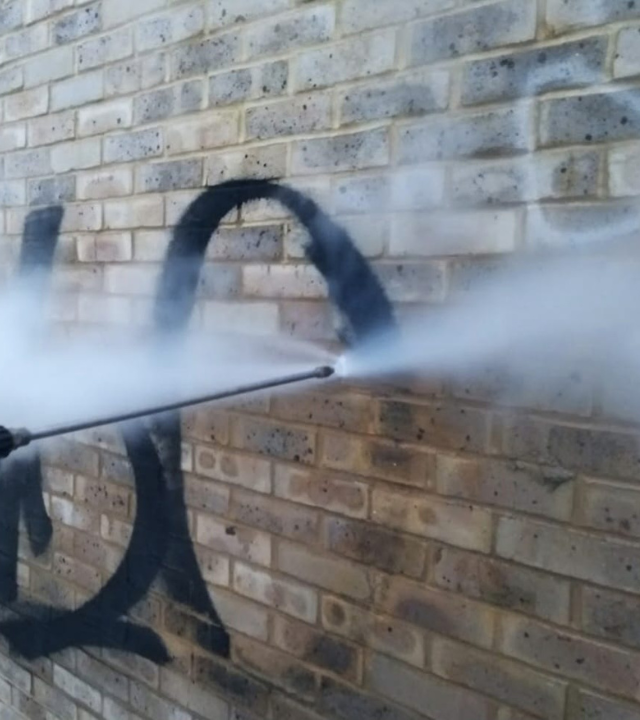
Exterior walls often collect moss, algae, pollution staining and general weathering over time.
Using controlled cleaning methods these contaminants can be removed so the surface can dry out and breathe naturally again.
Different materials require different cleaning approaches. Brick, render, monocouche render, cladding, composite panelling, timber facades and coated surfaces all behave differently, so the method is chosen to suit the material in front of us.
Depending on the surface and the level of contamination, this may involve soft washing, chemical cleaning, low pressure cleaning, controlled steam cleaning or a combination of methods.
In many cases the cleaning process alone can make a major difference to the appearance of the building.
Difficult Surface Issues
Some surfaces develop problems that need additional attention before the main cleaning process begins.
Examples include:
- ivy growth
- paint spills
- efflorescence
- heavy algae build-up
- black staining
- oil marks
- deep contamination around drains, low points and shaded areas
Where possible we remove ivy carefully and treat the affected areas.
Certain surfaces may be treated using sodium hypochlorite based cleaning solutions to break down algae, moss spores and other organic staining.
Oil stains can be treated using specialist degreasing products designed to lift contamination from paving or hard surfaces before cleaning begins.
Each surface is assessed individually so the most suitable treatment can be used for the material involved.
Protective Wall Coatings
Certain surfaces benefit from protective coatings once cleaning and restoration work has been completed.
These coatings help protect the surface from weather exposure while still allowing the material to breathe.
Protective wall coatings are not simply applied over dirt or contamination. The surface first needs to be cleaned thoroughly, allowed to stabilise and, where necessary, repaired before any coating is considered.
This can be particularly beneficial on exterior walls and facades that have suffered repeated weathering, patchy surface staining or exposure to harsh conditions.
Depending on the surface involved, protective coatings can help:
- reduce the rate at which contamination builds back up
- improve resistance to weather exposure
- improve the overall visual finish of the wall
- extend the life of the cleaned and restored surface
Applications are carried out in suitable weather conditions, as dry conditions and correct preparation are important to the finished result.
Where appropriate, protective coatings can also form part of a wider restoration plan once cleaning, repairs and preparation have been completed.
Exterior Painting & Surface Finishing
Some exterior surfaces benefit from repainting once they have been cleaned and prepared.
We carry out professional spray painting and manual painting for exterior facades, outbuildings, fencing, timber structures and other suitable exterior surfaces.
Preparation is always the key to a lasting finish.
Before painting begins, surfaces are cleaned, prepared and repaired where necessary. This may include:
- cleaning away dirt and biological growth
- sanding back weathered areas
- filling defects
- preparing damaged timber
- repairing localised sections using fillers where suitable
- making sure the coating is being applied to a stable surface
For exterior timber and weatherboarding we commonly use Bedec coatings, which are widely used for their durability and flexibility.
Depending on the surface, the finish may be applied by spray, brush or roller. Larger areas may suit spray application, while more detailed sections often need hand finishing.
This can be particularly effective on weathered outbuildings, timber structures, cladding details, fencing and other exterior elements that need both visual improvement and surface protection.
UPVC Restoration
Many homes contain large areas of UPVC including fascias, soffits, barge boards, guttering, window frames, door frames, exterior panels and UPVC doors.
Over time these surfaces can become dull, stained, greyed off or weathered. This is particularly noticeable on white UPVC, which is the most common finish used on homes across the country.
Because white UPVC shows age, staining and wear more clearly than darker colours, restoring it can make a significant difference to the overall appearance of the property.
At Exterior 360° Ltd, we use specialist restoration cleaners, compounds and solvents, depending on the surface and the condition of the material, to achieve the best possible finish.
Where possible, marks, weathering and light scratching can be reduced or removed during the restoration process, helping to bring the surface back closer to its original appearance.
Lower areas are restored from ground level, while upper sections such as fascias, soffits, barge boards and higher frames are normally restored from a spider lift. Working up close allows the surfaces to be cleaned and restored more effectively than trying to work from a distance.
The restoration process may include:
- fascias
- soffits
- barge boards
- gutter exteriors
- UPVC window frames
- UPVC door frames
- UPVC doors
- exterior UPVC panels
- foiled UPVC finishes
Where required we also clean surrounding materials such as aluminium frames, aluminium doors, composite panelling and exterior trim, using the correct method for each surface.
In many cases, surfaces that appear tired can actually be restored and refurbished, bringing them back towards a cleaner, brighter finish.
Once these areas have been cleaned and restored, many homeowners find they do not need replacing at all.
Composite Door Restoration
Composite doors can fade over time due to sunlight, weather exposure and general wear.
In many cases this does not mean the door needs replacing.
Using specialist restoration products and colour revival treatments, the surface of the door can often be restored so the original colour and finish are brought back to life.
Where small chips, marks or surface wear are present, these can sometimes be colour matched and carefully touched in so the door looks more consistent again.
This can make a major difference to the entrance of the property, especially where the rest of the exterior has also been cleaned or restored.
Composite door restoration is often one of those improvements that changes the overall look of the front of the house far more than people expect.
Driveway & Paving Restoration
Once block paving has been cleaned and restored, sealing the surface helps protect it from weeds, staining and general wear.
We use Resiblock sealing systems, which stabilise the jointing sand and create a protective barrier across the paving surface.
Resiblock products are guaranteed against oil stains.
From experience, how long a seal lasts depends on how the surface is used.
Driveways with regular vehicle traffic naturally experience more wear than paving in garden areas.
In many cases driveways remain protected for several years, while lighter-use areas such as patios or garden paths can often last much longer before attention is needed.
Sealing greatly reduces the need for constant maintenance and helps keep the paving looking clean and tidy.
As part of the wider restoration process, driveways and paved areas can also be cleaned, re-sanded, stabilised and finished so they sit properly with the rest of the project rather than looking like a separate area of work.
Surface Restoration & Recolouring
Certain surfaces can be restored where fading has occurred.
This includes tarmac surfaces, pattern imprinted concrete and limestone paving.
Restoration treatments can revive colour and improve the appearance of these materials without the need for full replacement.
Depending on the surface, this may involve:
- deep cleaning
- surface preparation
- recolouring treatments
- sealing or protective finishing where suitable
This can be particularly effective where a surface is structurally sound but has become faded, patchy or visually tired over time.
Outbuildings & Garden Structures
Many properties also include sheds, summer houses, garden rooms, dog kennels, workshops, storage buildings and other external structures.
These buildings are exposed to the same weather conditions as the main property and often collect moss, algae, staining and general wear over time.
They can be cleaned and restored in the same way as the main building so the whole exterior looks more consistent.
Depending on the structure, this may include:
- cleaning roof surfaces
- restoring wall panels or cladding
- repainting timber sections
- cleaning doors, windows and trims
- treating staining and surface growth
Including outbuildings and garden structures in the same project often helps bring the whole property together visually rather than leaving these areas looking tired next to a restored main building.
Repairs
During the survey we may identify small repairs that should be dealt with before cleaning or restoration begins.
Where these are minor they can often be handled during the work itself.
This may include things such as:
- small timber repairs
- minor roofline issues
- localised surface preparation
- isolated defects that need attention before painting or coating
Where repairs go beyond minor work we use experienced trades such as roofers, renderers, carpenters and paving specialists.
This ensures the right people are carrying out the right work, rather than trying to treat larger repairs as part of a cleaning job when they really need proper trade attention first.
Access Equipment & Safety
Different properties require different access systems depending on height, layout, surface type and the areas being worked on.
Depending on the property we may use:
- spider lifts
- scaffold towers
- specialist roof ladders
- long reach pole systems
- ladder systems where appropriate
- rope safety systems where required
Spider lifts are particularly useful for upper level work because they allow us to get up close to roofs, roofline areas, facades and difficult sections of the building.
Scaffold towers may be used where a stable platform is needed for more detailed work.
Roof ladders may be used on suitable roof sections where direct access is required.
Long reach pole systems can help with certain cleaning tasks where full access equipment is not needed or where access is restricted.
Using the right access system for the property allows the work to be carried out safely and efficiently while also helping achieve a much better finish than trying to work from too far away.
Exterior Survey, Drone & Drainage Inspection
Every project begins with a full exterior survey.
The survey normally takes between 30 minutes and an hour, depending on the size of the property and the amount of detail involved.
During the survey we assess surfaces, check access areas and review any repairs that may be required.
Where needed we also carry out drone inspections of roof areas so the roof can be viewed clearly without immediate access equipment.
If drainage issues, gutter discharge issues or water run-off concerns are relevant to the job, these can also be looked at during the survey stage so they can be factored into the work or highlighted for attention.
The aim of the survey is to understand the property fully before any cleaning, restoration or protection work begins.
Ready To Get Started?
If you’re ready to go ahead, or simply want to get a quick idea of price, you can start the process right now.
You can do it from your sofa, from work, or wherever you are, because our WhatsApp and telephone services operate 24 hours a day, 7 days a week.
If you’d just like a rough guide first, you can also look at the price guides on our homepage or roof restoration page, which give a general idea of price based on terraced, semi-detached and detached homes.
These guides are there to give you an idea of typical pricing before contacting us.
Single-storey properties are also included, and these are normally priced slightly lower because access is generally easier, although every property is still assessed individually during the survey.
If you’d like a more accurate guide price, the easiest way to begin is by completing the online service form, which allows us to gather the basic information about your property.
You can also contact us by WhatsApp or telephone, and we can go through the details with you if you prefer speaking to someone.
Photographs are not required, but if there are any areas you’d like us to look at beforehand — such as roof access, conservatories or repairs you think may need attention — you’re welcome to send photos to help us understand the property before visiting.
Once we receive the basic details, we will provide a guide price based on our Essential Exterior 360° Roof Cleaning Package.
If you prefer, you do not have to request a guide price first.
If you are happy with what you have read and would simply prefer us to come out and carry out a survey, that is absolutely fine. Just contact us and we will arrange a convenient time to visit.
You can speak directly to Jay Gilkes – Project Lead, or leave a message and we will arrange the survey for you.
Essential Exterior 360° Roof Cleaning Package
Our guide price is always based on our Essential Exterior 360° Roof Cleaning Package, which forms the starting point for most projects.
The guide price for this option is normally calculated using the roof size measured from satellite imagery such as Google Earth, together with the information provided in the service form.
Using satellite measurements allows us to measure the roof area before visiting, so the guide price is based on the actual roof size rather than a rough guess.
Roof cleaning is carried out using the most suitable method for the roof, which will normally be either:
- steam cleaning, where heat safely removes moss, algae and lichen
Or
- dry roof scraping followed by a biocide treatment, sometimes referred to as dry cleaning with biocide
The Essential Exterior 360° Roof Cleaning Package also normally includes:
- checking and clearing gutters where required
- washing down the building once the roof work is completed so everything is left clean and tidy
- traditional window cleaning to finish the property
This leaves the property clean, tidy and well presented once the work has been carried out.
Exterior 360° Options
Once we have the details of your property, we will normally send you four pricing options based on the size of the property and the meterage involved.
This allows you to see the different levels of work available and decide how much of the exterior you would like restored.
Essential 360°
The core service, focusing on the Essential Exterior 360° Roof Cleaning Package.
Enhanced 360°
Includes the essential service plus a more comprehensive approach, including restoration of the roofline services such as fascias, soffits, gutters and bargeboards.
Ultimate 360°
A larger exterior restoration project, covering more of the property, including restoration and cleaning of the building facades, exterior plastics and other external surfaces across the main structure of the property.
Complete 360°
The full Exterior 360° approach, including everything above plus the surrounding exterior areas of the property, bringing the entire exterior back to its best possible condition.
Each option is clearly priced so you can choose the level of work that suits your property and budget.
Contact & Enquiries
You can contact us 24 hours a day, 7 days a week by WhatsApp or telephone.
WhatsApp is handled by our AI assistant, which can collect the basic details about your property and guide you through the information we need.
If you prefer to speak to someone directly, our telephone line is answered by a human operator who understands our business.
They can take your details, answer some questions, or arrange for one of the team to call you back.
They can also arrange for Jay Gilkes – Project Lead or Dave Holroyd to return your call.
If your enquiry comes in during business hours, we normally aim to return calls within the same part of the day, often within a few hours and sometimes sooner.
If your enquiry comes in outside of business hours, we will normally respond the following working day.
Office
01245 909 360
Jay Gilkes – Project Lead
07463 652215
Dave Holroyd – Owner
07845 825728
Call back available on request.
Start Your Exterior 360° SmartQuote
Available 24/7 — no sales visits, no pressure, just a straightforward quote.
Frequently Asked Questions
How do you stop moss growing on roof tiles?
Prevention systems and treatments can help reduce moss growth by preventing conditions that allow moss to develop.
Do copper ridge systems stop moss?
Copper ridge systems release small amounts of copper ions when rainwater flows across them, which can help reduce moss growth.
How long do prevention systems last?
Most prevention systems are designed to provide long-term protection and reduce future moss growth.
What causes moss to grow on roofs?
Moss grows where moisture and shade are present, particularly on roofs surrounded by trees or facing north.
Are shaded roofs more likely to grow moss?
Yes. Moss thrives in damp shaded areas where sunlight does not dry the roof quickly.
Can prevention systems reduce maintenance?
Yes. Preventative measures can reduce the frequency of moss growth and maintenance requirements.
Can roof cleaning results be seen from the ground?
While some results are visible from the ground, close inspection often provides a clearer view of the finished work.
How often should a roof be inspected?
Roofs should ideally be inspected every few years to ensure moss and debris are not building up.
Can regular maintenance prevent heavy moss growth?
Yes. Regular inspection and light maintenance can prevent moss from reaching heavy levels.
What does roof restoration look like before and after?
Roof restoration can significantly improve the appearance of roof tiles by removing moss, algae and debris.
Do you provide before and after photos?
Yes. Many projects include before and after photos so customers can clearly see the results.
Do you show customers the finished result?
Yes. Customers can see the finished work once the project is complete.
Do you use drone inspections?
Drone inspections can be used to show roof areas clearly once work is finished.